
Bare concrete is tough, but it isn’t pretty. It stains, it throws off dust, and a garage floor that has soaked up years of oil and road grime never really looks clean again. An epoxy coating is one of the most popular fixes, and when it’s done right, it’s a good one.
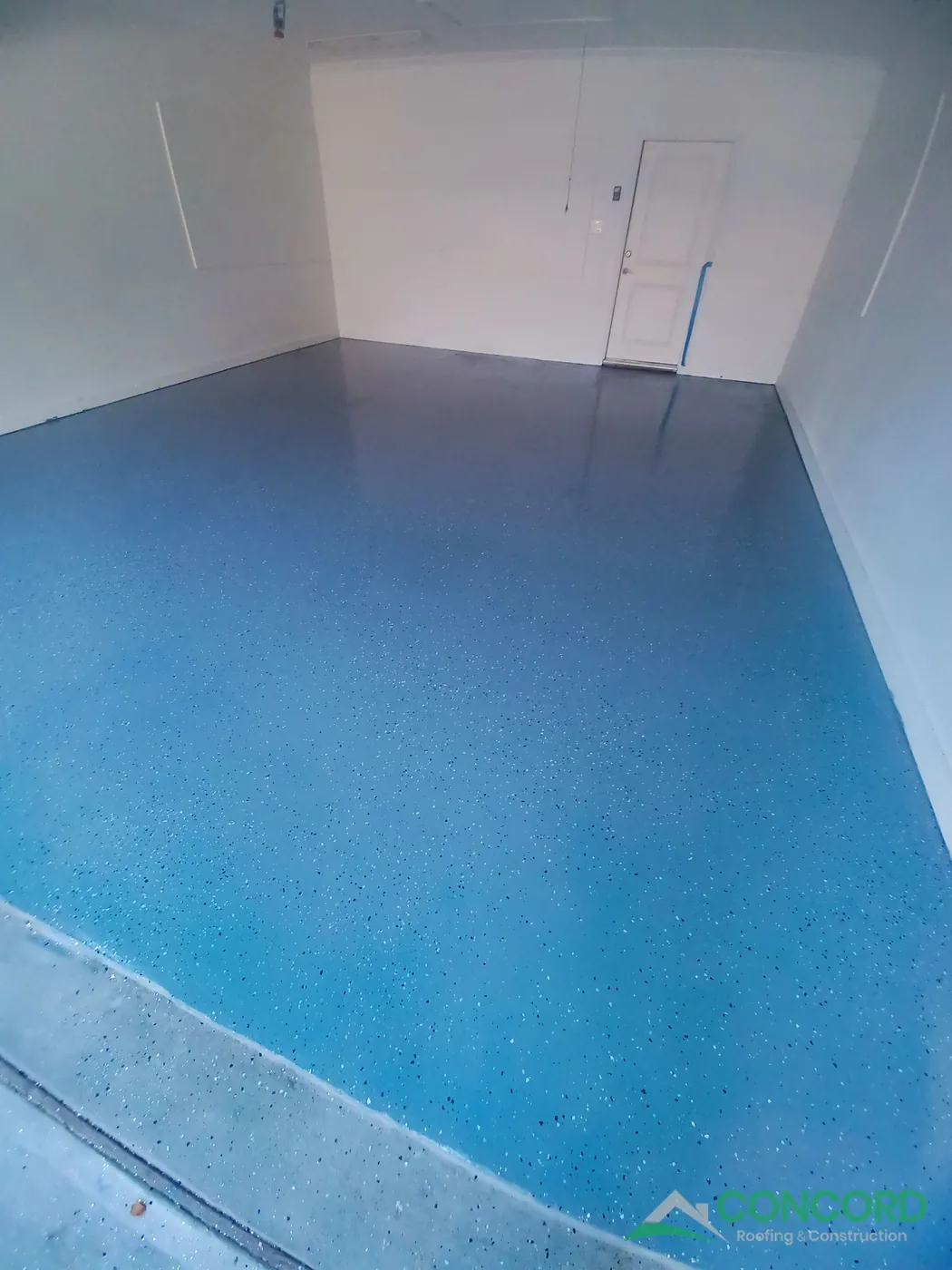
It also isn’t magic. The coating is only as good as the concrete underneath it and the care it gets in the first few days. Here’s what an epoxy floor does well, where it falls short, how the concrete should be repaired first, and what to expect once the job is done. We recently coated a garage floor in Lake Highlands, and a lot of what follows comes from jobs like that one.
What Is an Epoxy Floor Coating?
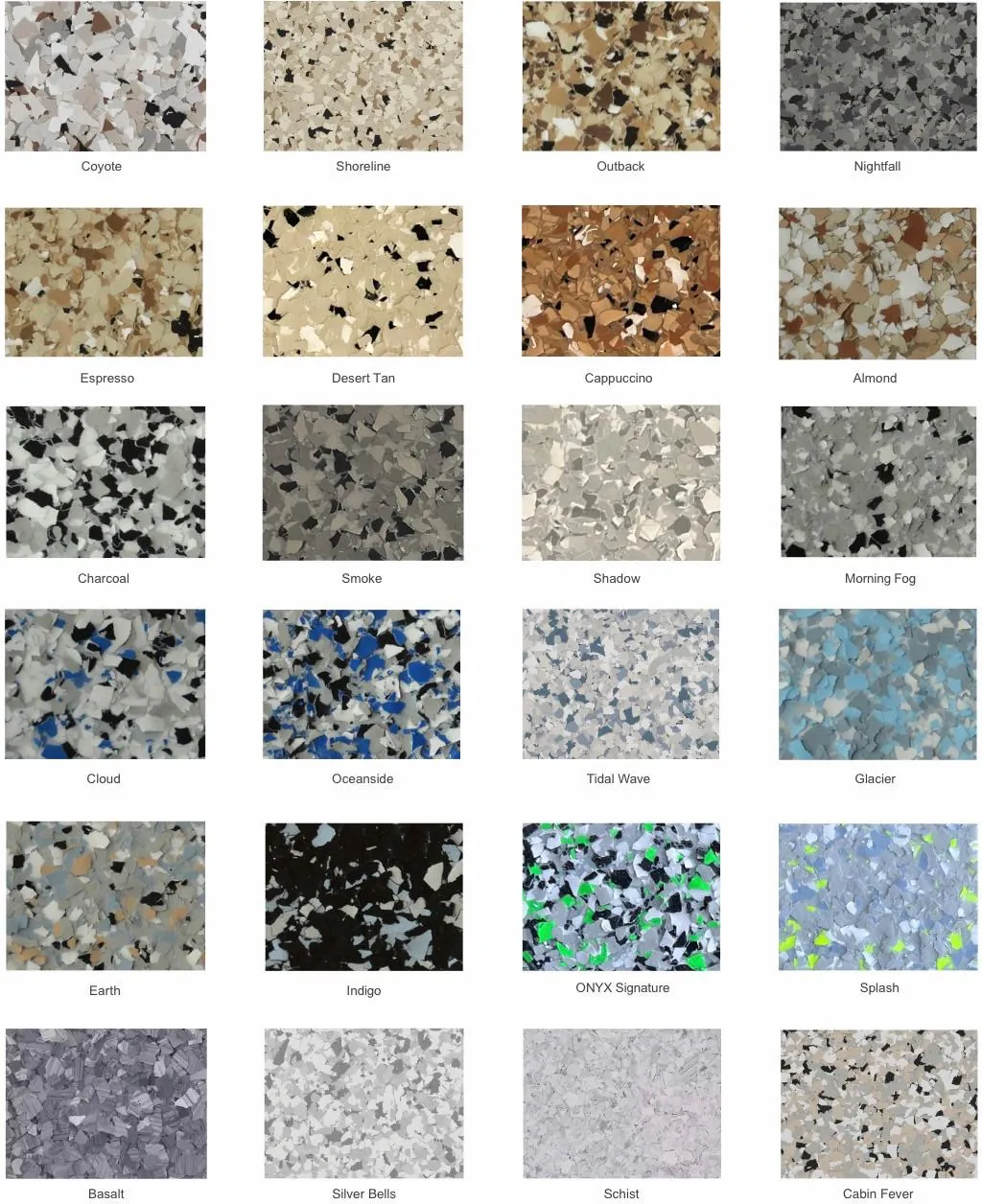
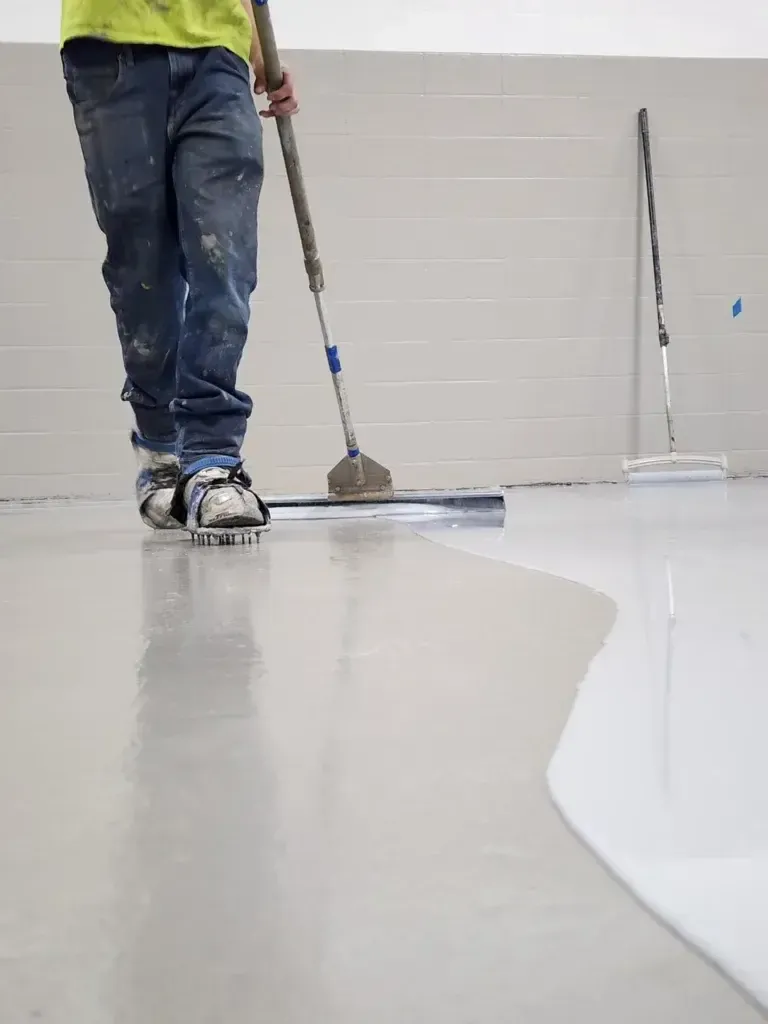
Epoxy is a two-part resin. The parts are mixed right before application, and they harden into a hard, plastic-like layer that bonds to the concrete. Most garage systems have a few layers: a prepared concrete surface, a colored epoxy base coat, decorative flakes broadcast into it if you want that speckled look, and a clear topcoat that adds protection.
That’s different from a can of garage floor paint. Paint sits on the surface and wears through quickly under tires. A proper epoxy system is thicker and bonds much more strongly, which is why the prep matters so much (more on that below).
The Pros of an Epoxy Floor
- Easier to clean. Oil, dirt, and muddy water wipe or mop off a sealed surface far more easily than bare concrete.
- Stain resistance. Garage-rated coatings stand up to motor oil, gasoline, antifreeze, and road salt. Spills should still be wiped up promptly.
- Durable. A well-bonded coating handles foot traffic, tire wear, and the scuffs that come with a working garage.
- Less dust. Sealing the concrete stops the fine, powdery dust that bare slabs shed.
- A finished look. Solid colors, flake blends, and a glossy finish make the garage feel like part of the house, which matters if it’s also a workshop, gym, or game room.
- Brighter space. A light, glossy floor reflects more light than dark, stained concrete.
The Cons, Honestly
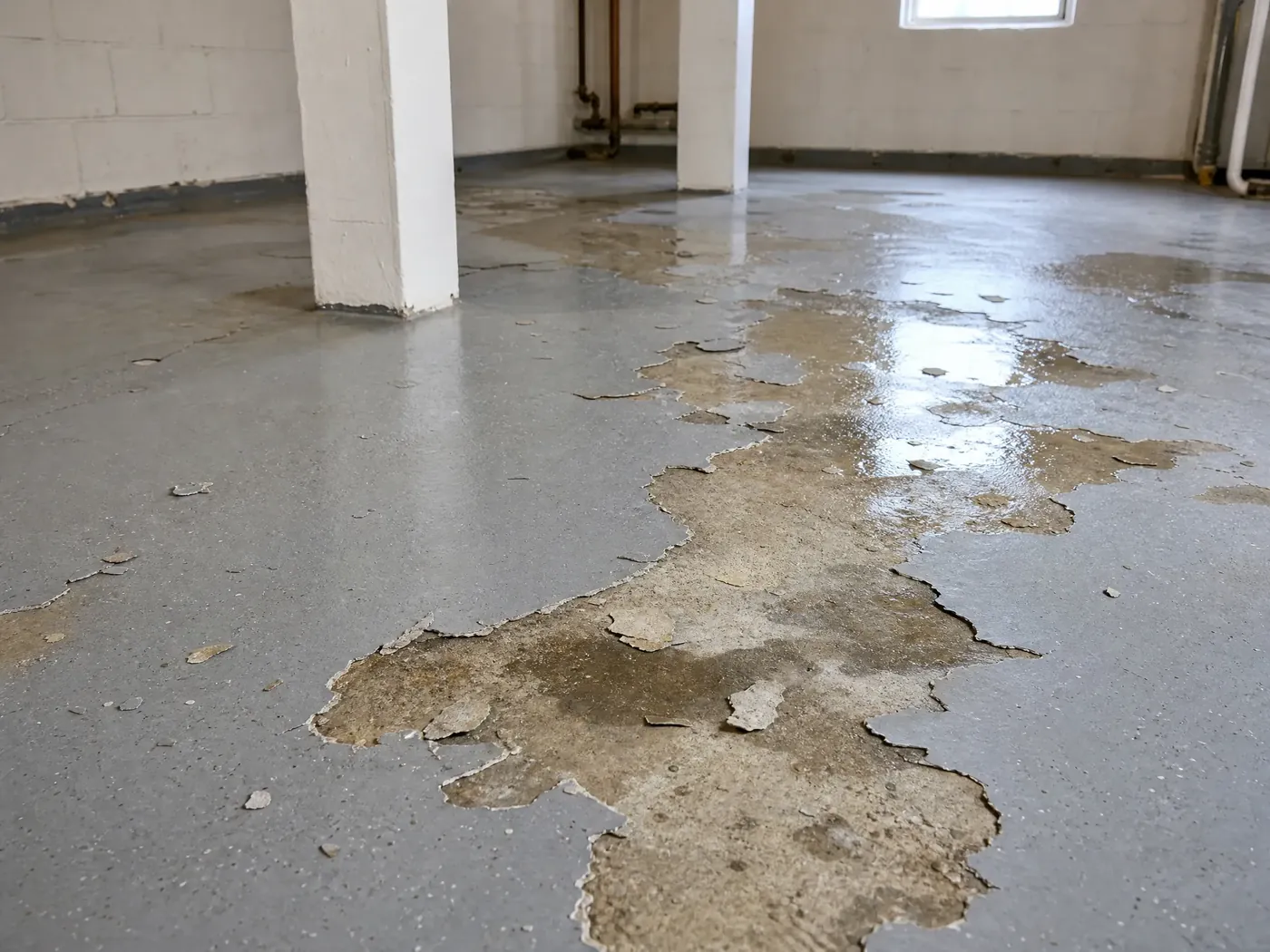
- Prep decides everything. Done wrong, the coating peels, bubbles, or flakes off, and it can end up looking worse than the bare concrete did. Most coating failures trace back to prep, not the product.
- It can be slippery when wet. A smooth, glossy floor and wet shoes don’t mix. An anti-slip additive in the topcoat helps, and it’s worth asking about, especially if the garage floor gets wet.
- Moisture can ruin it. Concrete that is passing moisture up from the ground can push the coating off the slab. That’s why a moisture test comes before anything else.
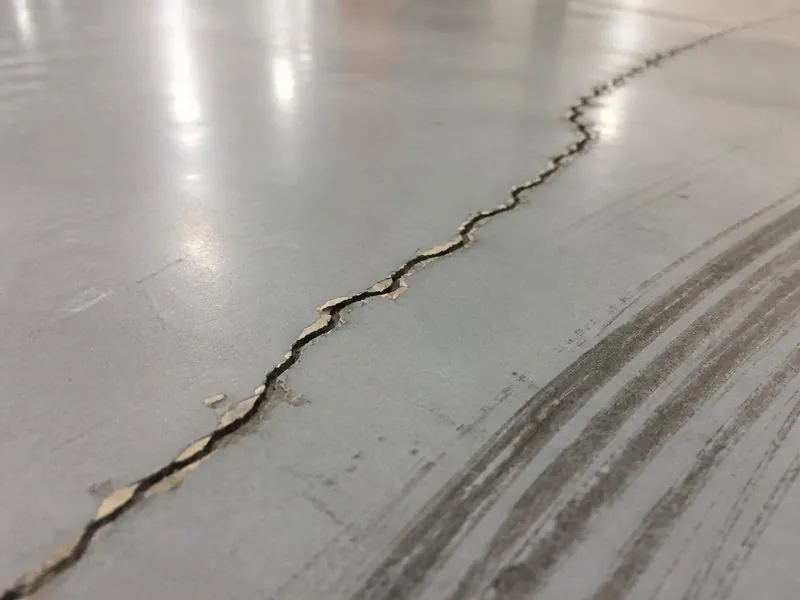
- It won’t fix a moving crack. Filling a crack makes it look better, but if the slab is still shifting, the crack can come back through the coating. In North Texas, with our clay soils, that’s worth taking seriously.
- Sunlight can yellow it. Standard epoxy isn’t UV stable. In a closed garage that’s rarely a problem. In a spot that gets direct sun for hours, the color can shift over time.
- You lose the garage for a few days. Prep, coating, and curing all take time, and you can’t park inside until it’s ready.
- It’s harder to remove than to apply. If you ever want it gone, the coating has to be ground off. Think of it as a long-term choice.
- It costs more than paint. You’re paying for the prep work and the materials, and that is where the extra durability comes from.
What About Patios?
Epoxy was designed for garages and other indoor floors, and it works best there. Outdoors, it runs into two problems: sunlight and moisture.
A covered patio with a slab that stays dry can work, but it needs a coating system built for it. That usually means a UV-stable topcoat over the epoxy, such as a polyaspartic or polyurethane, plus an anti-slip finish, because a smooth surface gets slick in rain. An open patio that sits in full sun and takes every storm is a tougher place for epoxy, and a different finish may be the better choice. If you’re thinking about a patio, ask your contractor which coating system they would use there and why. The answer should include UV protection and grip.
If you’re planning to build or enclose a patio, our patio enclosure and residential patio cover work often goes hand in hand with a new floor finish.
Repairing Concrete Before Coating
This is the part that separates a floor that lasts from one that doesn’t. A good prep can include:
- A moisture check. The slab is tested to make sure it isn’t passing moisture up through the concrete. A coating won’t bond to a wet slab, and a floor that “looks dry” can still fail this test.
- Time for new concrete. A brand-new slab generally needs about 28 days to cure before most coatings go on. Even then, age alone doesn’t tell you the moisture level.
- Removing oil, old coatings, and sealers. Anything sitting on the surface keeps the epoxy from bonding. Heavy oil stains may need special cleaning, and old paint or sealer has to come off.
- Surface profiling when needed. Coatings grip best on a surface with a little texture. Depending on the condition of the slab and the coating system being used, the installer may grind or otherwise profile the concrete so the coating can hold on. Some floors need it and some don’t, and your contractor can explain what yours calls for.
- Repairing cracks, spalls, and pits. Cracks are filled with a repair product, chipped or flaking spots are patched, and pits are leveled so the finished floor is smooth. This is also the time to decide whether a crack looks like surface shrinkage or a sign of shifting that needs a closer look.
- Respecting the joints. Control joints and expansion joints in the slab are there to let it move. They should be handled with a flexible filler, not buried under rigid epoxy that will crack along the line.
- A clean, dust-free surface. The prepared concrete is vacuumed thoroughly right before the coating goes down.
Not every step applies to every floor, but the plan for yours should say how the slab will be checked for moisture and how the surface will be prepared. If it doesn’t, ask.
Timelines: When Can You Walk and Park on It?
Every product has its own timing, and weather changes it. Heat speeds the cure and cold slows it, so always follow the instructions for the specific coating system on your job. As a general guide:
| Use | Typical timing |
|---|---|
| Light, careful foot traffic | About 12–24 hours |
| Normal walking and moving items back in | About 24–48 hours |
| Parking a vehicle | Often about 3 days; some systems need longer |
| Full chemical cure | Can take up to a week |
Two things to keep in mind:
- A floor that feels dry may still be too soft for tires. Parking too early can leave permanent tire marks or damage the coating.
- Faster systems exist. Polyaspartic coatings generally cure faster than standard epoxy, which can shorten the wait, but they cost more.
The easy rule: when in doubt, wait another day. A day of patience is much cheaper than recoating.
Caring for Your Epoxy Floor
The first week
- Keep the garage closed to cars and heavy items until the cure window has passed.
- Keep pets and kids off the floor.
- Hold off on washing the floor or letting standing water sit on it.
Day to day
- Sweep or dust mop regularly. Grit is what scratches a coating, not spills.
- Mop with warm water and a mild, pH-neutral cleaner when it needs it. Skip harsh chemicals, solvents, and abrasive pads.
- Wipe up oil, gas, antifreeze, and other spills quickly, even though the coating resists them.
- Rinse off winter road salt and grime now and then, and squeegee standing water.
Protecting the surface
- Lift heavy items instead of dragging them. Dragging a tool chest or a jack stand across the floor is how most scratches happen.
- Use rubber or felt pads under jack stands, bike stands, and heavy storage.
- Wipe up tire tracks and grit so they aren’t ground into the surface.
- Plan for a refresh. A high-traffic floor may eventually want a new clear topcoat to bring back the shine and protect the coating underneath.
Is Epoxy Right for Your Garage?
Epoxy is a strong choice if you want an easy-to-clean, finished floor and you’re willing to do the prep properly. It’s less of a fit if the slab has moisture problems, if cracks are actively moving, or if you want it outdoors in full sun without a UV-stable system.
When you talk to a contractor, ask:
- How will you prepare the slab, and does my floor need grinding or other surface profiling?
- Will you test for moisture first?
- How will you repair cracks and handle the joints?
- What system are you using, and does it include a clear topcoat?
- How long until we can walk on it, and how long until we can park on it?
- Can you add an anti-slip finish?
Our epoxy floor coatings are part of our specialty improvements, and we handle the concrete repair as part of the job. If you’re turning a garage into living space instead, our garage conversions include flooring options as well. To talk through your own floor, contact us or call (214) 299-6110. We serve homeowners in Plano, Dallas, and across North Texas.