

You've picked your design, signed with a contractor, and the materials are on order. The planning is done. Now there's one more stretch before the work starts: getting your home ready for a few weeks without a kitchen.
This part falls on the homeowner, and it makes a real difference. A kitchen that's cleared out, a household that's set up to live around the work, and a clear plan for communication all help the crew start on time and keep the project moving. Here's what to focus on in the weeks before demo day.
1. Empty the Kitchen Completely
Plan to clear out everything — cabinets, drawers, pantry, countertops, and anything on the walls. Start a week or two ahead. It always takes longer than people expect.
- Pack what you won't need for the duration of the project, and label boxes by room or by "kitchen — unpack first."
- Use it as a chance to declutter. Expired pantry items, duplicate gadgets, and mismatched containers don't need to go back into a brand-new kitchen.
- Keep a small "essentials" box of what you'll actually use day to day (more on that below).
- Clear adjacent rooms too. Demo creates vibration — take pictures and fragile items off walls and shelves in nearby rooms.

2. Set Up a Temporary Kitchen
You'll still need to eat. A temporary kitchen in a dining room, laundry room, or garage makes the weeks without a full kitchen much easier.
A practical setup:
- Refrigerator — ask your contractor whether your current fridge can be moved to another room and plugged in, or use a spare fridge or mini fridge.
- Microwave, toaster oven, or air fryer.
- Electric skillet, slow cooker, or multicooker.
- Coffee maker.
- Paper plates, cups, and utensils to cut down on dishwashing.
- A folding table for prep space.
- A plan for dishes — a laundry sink works well. Bathroom sinks can work in a pinch, but keep food scraps out of the drain.
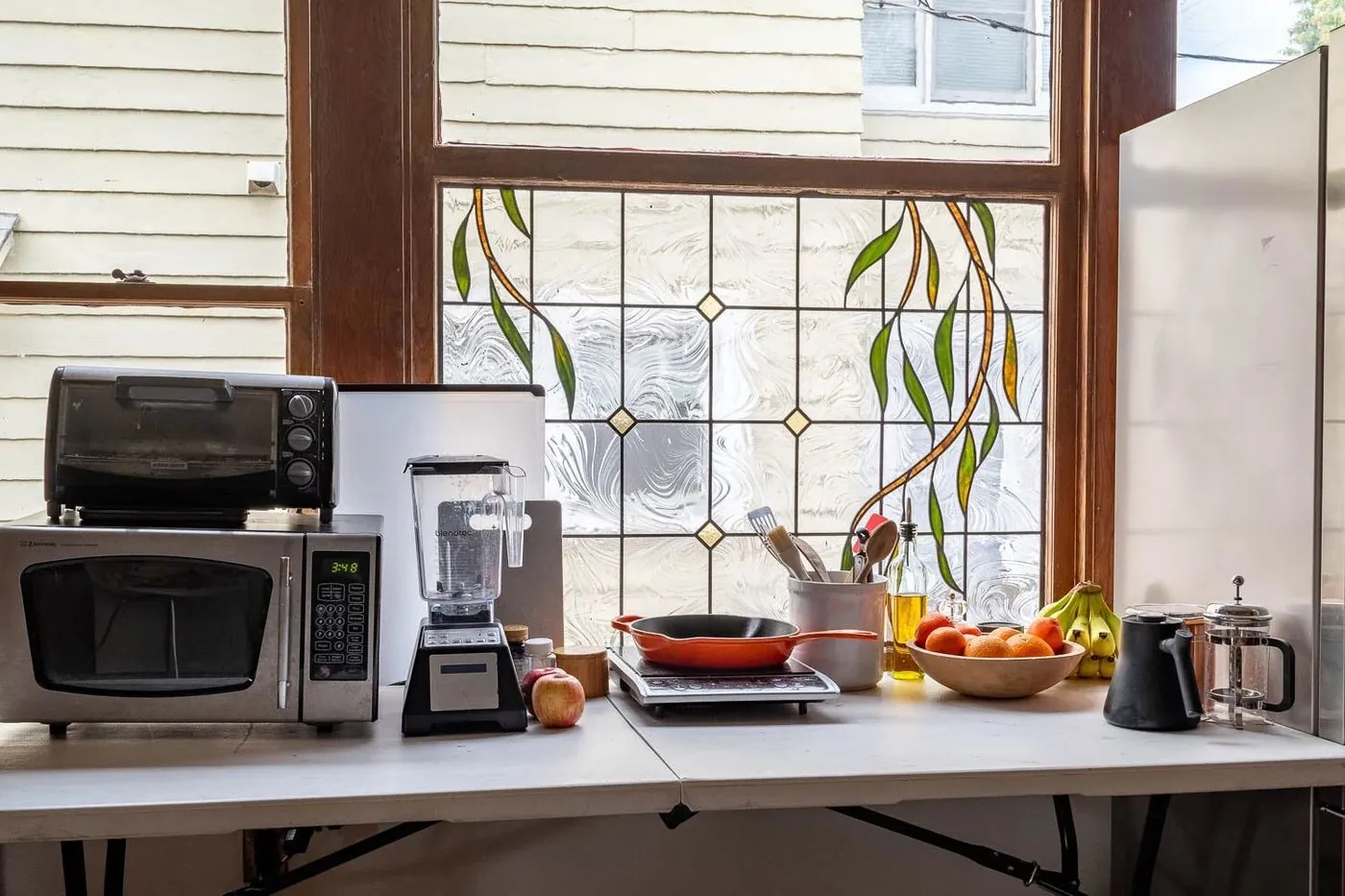
Many families also plan for a few more meals out or grilling outside. Building that into the budget ahead of time takes some of the pressure off.
3. Protect the Rest of the House From Dust
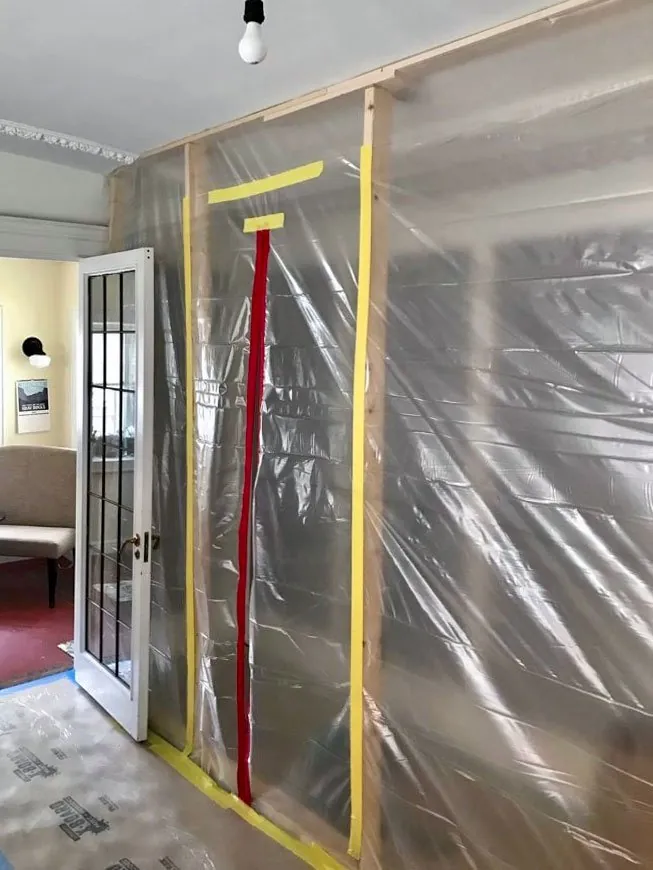
Remodeling creates dust, and it travels. Your contractor will set up protection, but it helps to know what to expect and walk through it together before work starts:
- Plastic barriers sealing off the work area from the rest of the home.
- Floor protection along the path crews will use between the door and the kitchen.
- HVAC returns and vents near the work area covered so dust isn't pulled through the system. Plan to change your air filter during and after the project.
- Closed doors to bedrooms and closets, with anything delicate covered.
If anyone in the home has allergies or asthma, mention it before work starts so extra precautions can be planned.
4. Plan for Access, Noise, and Daily Life
- Entry and parking. Confirm which door crews will use and where the dumpster and materials will go. If you're in an HOA, check whether they need notice for a dumpster, trucks, or work hours.
- Pets and kids. Job sites have tools, nails, and open walls. Plan where pets will stay during work hours, and keep kids clear of the area.
- Noise. Demo days are loud. If you work from home, plan around the first few days.
- Neighbors. A quick heads-up about trucks and noise goes a long way.
- Valuables. Store jewelry, medications, and important papers somewhere secure.
5. Confirm How You'll Stay in Touch
A remodel involves a lot of moving parts — demolition, plumbing, electrical, drywall, cabinets, countertops, tile, and paint, often by different trades. The projects that go smoothest are the ones where the homeowner knows exactly who to talk to and when.
Before demo day, confirm with your contractor:
- Who your main contact is, and the best way to reach them
- What the daily work hours will be
- How you'll hear about schedule changes or delivery delays
- What to do if you have a question or concern about the work
- Whether you need to be home for any inspections or deliveries
At Concord, a project manager coordinates the trades and keeps you updated, so you always have one point of contact. Learn more about our kitchen and bathroom remodeling services, or see some of our recent projects on our Our Work page.
6. Expect Some Disruption — and Plan for the Finish Line
Even well-run remodels have days that test your patience. A delivery runs late, an inspection gets rescheduled, or something behind the wall needs attention once it's opened up. Knowing that going in makes it easier to roll with.
Plan a little buffer before any event you're counting on the kitchen for, like a holiday or a family gathering. When the work wraps up, schedule a final walkthrough with your contractor to go over everything together before the project is closed out.
Your Week-Before Checklist
- Kitchen cabinets, drawers, pantry, and counters fully emptied
- Fragile items removed from walls and shelves in nearby rooms
- Temporary kitchen set up and tested
- Fridge plan confirmed with your contractor
- Path from the entry to the kitchen cleared
- Driveway or parking space open for the dumpster and trucks
- HOA and neighbors notified
- Pet and kid plan in place for work hours
- Valuables stored
- Main contact and work hours confirmed