

Your design is done, the fixtures are ordered, and demo day is on the calendar. Now there’s one more stretch before the work starts: getting your home ready to go without a bathroom for a while.
This part falls on the homeowner, and it makes a real difference. A bathroom that’s cleared out, a plan for showers and toilet use, and clear communication with your contractor all help the crew start on time and keep the project moving. Here’s what to focus on in the weeks before demo day.
1. Lock In Your Selections Early
Tile, tub, shower fixtures, vanity, faucets, lighting, and paint all need to be chosen before work starts, and special-order items can take weeks to arrive. One missing piece can hold up the whole project.
- Confirm everything has been ordered, and ask your contractor when each item is expected.
- Check deliveries when they arrive for damage or wrong sizes, so problems get sorted out before the crew needs the item.
- Decide where materials will be stored until they’re needed.
2. Empty the Bathroom Completely
Plan to clear out everything: the vanity and drawers, medicine cabinet, linen shelves, shower and tub items, and anything on the walls. Start a week or two ahead. It always takes longer than people expect.
- Pack what you won’t need for the duration of the project, and label the boxes.
- Use it as a chance to declutter. Expired products, half-used bottles, and mismatched towels don’t need to go back into a brand-new bathroom.
- Keep a small “essentials” bag with the daily basics: toothbrush, medications, skincare, and a few towels.
- Clear nearby rooms too. Demo creates vibration, so take pictures and fragile items off the walls and shelves in adjoining rooms and hallways.
3. Plan for Life Without a Bathroom
This is the part that surprises people most. For a stretch of the project, you may not have a working toilet, sink, or shower in that room, so plan how your household will get by.
- Use a second bathroom if you have one. That’s the easiest solution by far. Talk through how the household will share it.
- If it’s your only bathroom, ask your contractor how long the toilet and shower will be out of service. Options can include a gym membership for showers, a portable toilet rental, or staying somewhere else for a while. Some homeowners stay with friends or family, and others book a hotel or short-term rental for the stretch when the water is off.
- Ask about water shutoffs. Plumbing work means the water may be off at times. Ask when, and for how long, so you can fill jugs for drinking and brushing teeth.
- Set up a getting-ready station in a bedroom or another room, with a mirror, a good light, and a power strip for hair tools and makeup.
4. Protect the Rest of the House From Dust
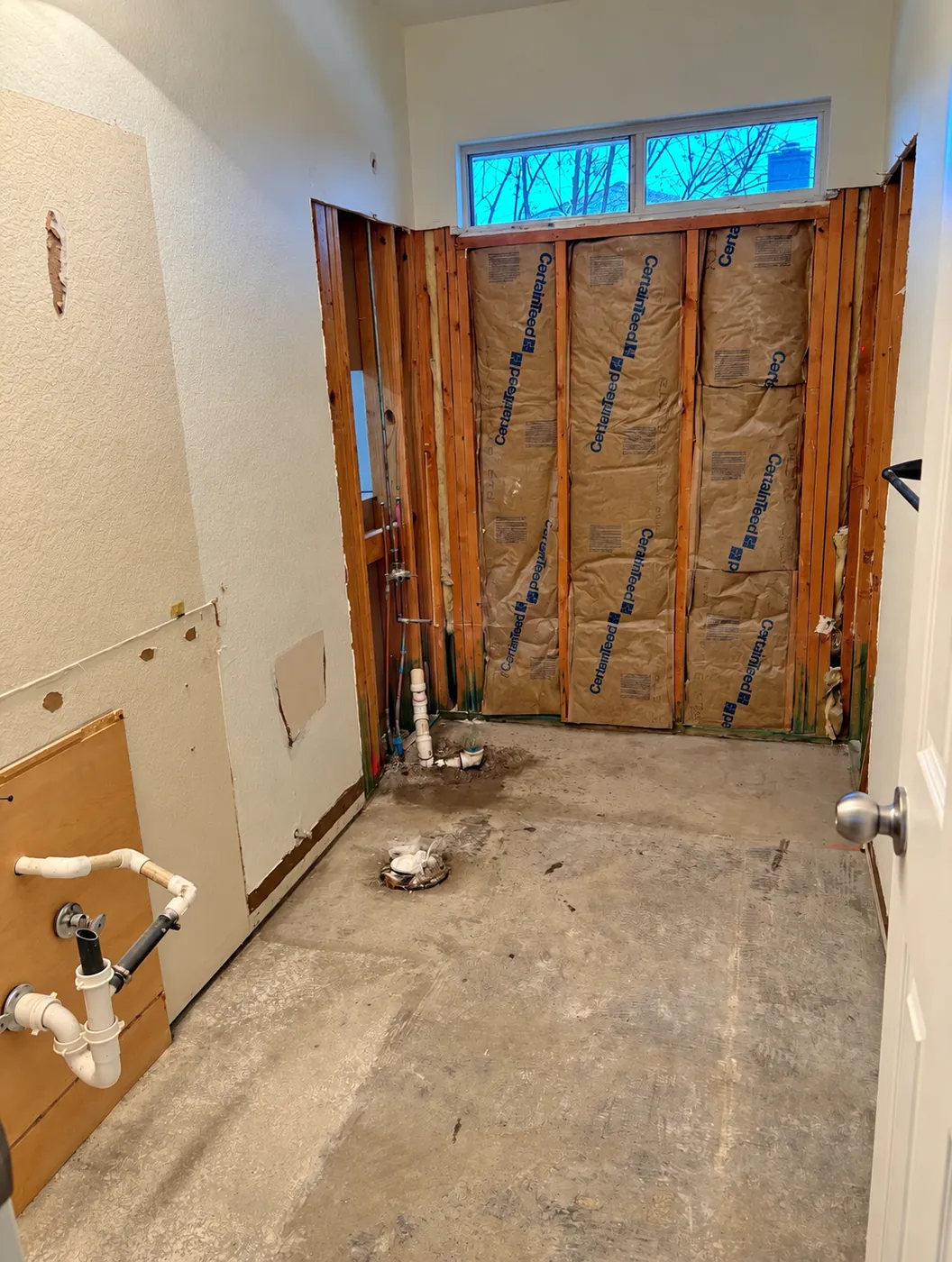
Demolition and tile cutting create dust, and it travels. Your contractor will set up protection, but it helps to know what to expect and walk through it together before work starts:
- Plastic barriers sealing off the bathroom from the rest of the home.
- Floor protection along the path crews will use between the door and the bathroom.
- HVAC returns and vents near the work area covered, so dust isn’t pulled through the system. Plan to change your air filter during and after the project.
- Closed doors to bedrooms and closets, with anything delicate covered.
If anyone in the home has allergies or asthma, mention it before work starts so extra precautions can be planned.
Older homes: if your house was built before 1978, ask your contractor how they’ll handle the possibility of lead paint, and whether any older flooring or wall materials need special handling.
5. Plan for Access, Noise, and Daily Life
- Entry and parking. Confirm which door crews will use and where the dumpster and materials will go. If you’re in an HOA, check whether they need notice for a dumpster, trucks, or work hours.
- Water and power. Know where your main water shutoff and breaker panel are, and keep the path to them clear.
- Pets and kids. Job sites have tools, nails, and open walls. Plan where pets will stay during work hours, and keep kids clear of the area.
- Noise. Demo and tile cutting are loud. If you work from home, plan around the first few days.
- Neighbors. A quick heads-up about trucks and noise goes a long way.
- Valuables. Store jewelry, medications, and important papers somewhere secure.
6. Confirm How You’ll Stay in Touch
A bathroom remodel involves a lot of moving parts: demolition, plumbing, electrical, drywall, waterproofing, tile, fixtures, and paint, often by different trades. The projects that go smoothest are the ones where the homeowner knows exactly who to talk to and when.
Before demo day, confirm with your contractor:
- Who your main contact is, and the best way to reach them
- What the daily work hours will be
- How you’ll hear about schedule changes or delivery delays
- How decisions will be handled if something unexpected turns up
- Whether you need to be home for any inspections or deliveries
At Concord, a project manager coordinates the trades and keeps you updated, so you always have one point of contact. Learn more about our bathroom remodeling services.
7. Expect Some Surprises, and Plan for the Finish Line
Older bathrooms sometimes hide surprises once the old tile and walls come out, like outdated plumbing or damaged framing. Even a well-run project can have a delivery run late or an inspection get rescheduled. Knowing that going in makes it easier to roll with.
Plan a little buffer before any event you’re counting on the bathroom for, like overnight guests or a holiday. When the work wraps up, schedule a final walkthrough with your contractor to go over everything together before the project is closed out.
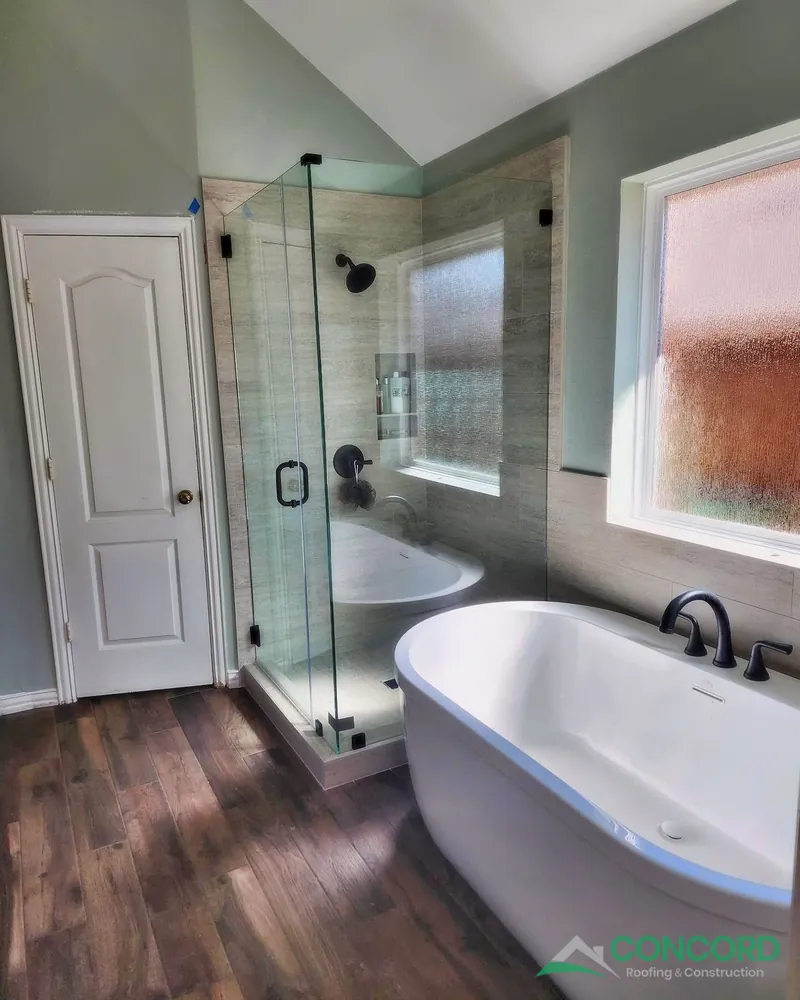
Curious what the finished result can look like? See our recent bathroom projects: a Dallas hall bath opened up to feel like the rest of the home, a Dallas bathroom expanded into a closet to fit a separate shower and tub, and a McKinney master bath updated with a freestanding tub and glass shower.
Your Week-Before Checklist
- All materials and fixtures ordered, with delivery dates confirmed
- Bathroom completely emptied, with an essentials bag packed
- Fragile items removed from walls and shelves in nearby rooms
- Plan in place for showers and toilet use, or a place to stay
- Water shutoff schedule and plan for drinking water confirmed
- Getting-ready station set up
- Path from the entry to the bathroom cleared
- Driveway or parking space open for the dumpster and trucks
- HOA and neighbors notified
- Pet and kid plan in place for work hours
- Valuables stored
- Main contact and work hours confirmed