
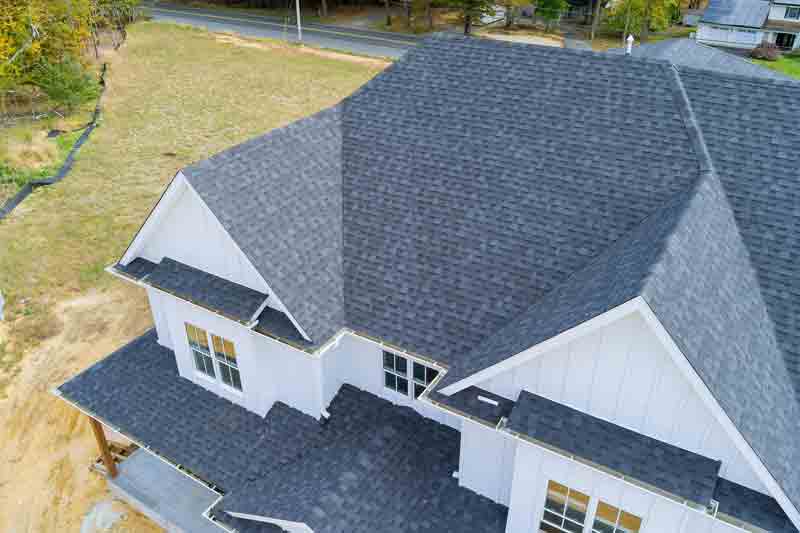
Walk down almost any residential street and shingle roofs make up the vast majority of what you see overhead. That popularity isn’t an accident, but it also means a lot of homeowners choose shingles by default without really understanding why they work well, where their limitations are, or how much the quality of installation affects the outcome. If you’re weighing shingle roofing against other options, or trying to understand what you’re actually getting with a shingle roof, it helps to look past the assumption and understand what’s actually driving the decision.
This guide covers what shingle roofing services actually involve, why shingles remain the most common residential choice, and what separates a shingle roof that performs well for decades from one that underperforms its expected lifespan. For a closer look at how this gets handled on an actual property, these residential shingle roofing services break down the process in more detail, but here’s what every homeowner should understand first.
What Shingle Roofing Services Actually Involve
Shingle roofing refers to a roofing system built from individual overlapping shingle units, most commonly asphalt-based, installed over an underlayment and roof deck to create a weatherproof barrier for the home. Shingle roofing services cover everything from initial installation on new construction, to full replacement of an aging roof, to targeted repairs on specific damaged sections.
What makes shingles distinct from other roofing materials, like metal or tile, is the combination of relatively straightforward installation, a wide range of available colors and styles, and a cost profile that makes them accessible for most residential budgets. That combination is exactly why shingles remain the dominant choice for residential roofing.
Why Shingle Roofing Remains So Widely Used
The popularity of shingle roofing comes down to a practical balance of factors that other roofing materials don’t always match as well. Shingles offer strong resistance to everyday weather conditions, including wind and rain, while remaining relatively straightforward to repair when isolated damage does occur. That repairability matters more than people initially realize, since a shingle roof with a small area of damage can often be addressed by replacing just that section, rather than requiring more extensive work.
Style flexibility is another major factor. Shingles are available in a wide range of colors, textures, and profiles, which allows homeowners to match their roof to their home’s overall design in a way that’s more limited with some other roofing materials. Combined with a generally lower material and installation cost compared to premium options like metal or tile, shingles hit a practical sweet spot that keeps them the default choice for most residential properties.
Shingle Roofing Myths vs. Reality
Because shingle roofing is so common, a lot of assumptions circulate that don’t hold up once you understand what actually affects a shingle roof’s performance and lifespan.
| Myth | Reality |
|---|---|
| “All shingles perform about the same regardless of quality tier.” | Shingle quality varies significantly in durability, wind resistance, and expected lifespan. Higher-tier shingles are engineered differently, not just priced differently for the same product. |
| “Shingle roofs don’t need much maintenance once installed.” | Regular inspection and prompt attention to isolated damage helps prevent small issues from developing into larger problems, particularly around flashing and ventilation points. |
| “Any roofer can install shingles correctly since it’s a common material.” | Proper fastening, ventilation, flashing, and underlayment installation all significantly affect long-term performance. Installation quality matters as much as the shingle product itself. |
| “A shingle roof will look and perform the same no matter the color chosen.” | Darker shingle colors absorb more heat, which can affect attic temperatures and energy costs, particularly in warmer climates. |
| “Impact-resistant shingles are unnecessary unless you live somewhere with severe storms.” | Impact-resistant options provide added protection anywhere hail or severe wind is a possibility, and some insurance providers offer incentives for this upgrade regardless of region. |
| “Once shingles are installed, the underlying roof deck doesn’t matter anymore.” | A full shingle roofing project should include an assessment of the deck itself, since installing new shingles over a compromised deck undermines the whole system. |
What Affects Shingle Roof Performance and Lifespan
Not every shingle roof performs the same, even with similar materials, because several factors beyond the shingles themselves play a significant role in how the finished roof actually holds up.
Installation quality — Proper fastening technique, correct nail placement, and appropriate overlap between shingle courses all directly affect how well the roof resists wind and weather over time.
Ventilation — Attic ventilation prevents heat and moisture buildup underneath the roofing material, which can shorten shingle lifespan from underneath if it’s inadequate.
Underlayment and flashing — These components protect against water intrusion and are just as important to long-term performance as the visible shingle layer.
Shingle quality tier — Higher-tier shingle products are engineered for greater durability and wind resistance, which affects both expected lifespan and how the roof performs during severe weather.
Roof pitch and design — Steeper roofs and more complex designs with multiple valleys require more precise installation work to avoid weak points where water can find a path in.
Questions Worth Asking Before Choosing Shingle Roofing
Given how much installation quality affects the final outcome, a few direct questions upfront tend to separate a roof that performs well for decades from one that underperforms:
- What shingle quality tier is being recommended, and why does it fit this specific home and climate exposure?
- Is the existing roof deck being assessed as part of this project, not just the visible shingle layer?
- What ventilation setup is planned, and does it match the attic’s actual needs?
- What does the installation warranty cover separately from the shingle manufacturer’s material warranty?
A roofer who answers these with specifics tied to your home’s actual structure, rather than a generic recommendation, is usually the one who understands what actually determines long-term shingle roof performance.
Frequently Asked Questions
How long does shingle roofing typically last? Lifespan varies based on shingle quality tier, installation quality, ventilation, and climate exposure, with proper installation and maintenance being significant factors in reaching the higher end of a shingle roof’s expected service life.
Are more expensive shingles actually worth the added cost? Higher-tier shingles are generally engineered for greater durability and wind resistance, which can translate into a longer service life and better performance during severe weather, depending on the specific climate and exposure of the home.
Can a small area of shingle damage be repaired without replacing the whole roof? In many cases, yes, particularly when the damage is isolated and the rest of the roof is in good condition. A full assessment determines whether targeted repair is a viable option.
Do darker shingle colors affect energy costs? Darker colors absorb more heat, which can increase attic temperatures, particularly in warmer climates. This is worth factoring into color selection alongside style preferences.
Is impact-resistant shingle roofing worth the upgrade? This depends on regional weather exposure and individual priorities, though impact-resistant options provide meaningful added protection against hail and severe wind regardless of location.
Making the Right Call for Your Roof
Shingle roofing remains the most common residential choice for good reason, but getting the most value out of it depends on more than just picking a color and material tier. Installation quality, proper ventilation, and an honest assessment of the roof deck all play a role in whether a shingle roof performs well for decades or underperforms its expected lifespan.
If you’re weighing shingle roofing for a new installation or full replacement, it’s worth starting with a clear assessment of your home’s specific structure and climate exposure rather than a generic recommendation. Concord Roofing & Construction has guided homeowners through this exact process, from material selection to final installation, based on what each home actually needs.